Pennsylvania Promise
Free and Affordable Education for All
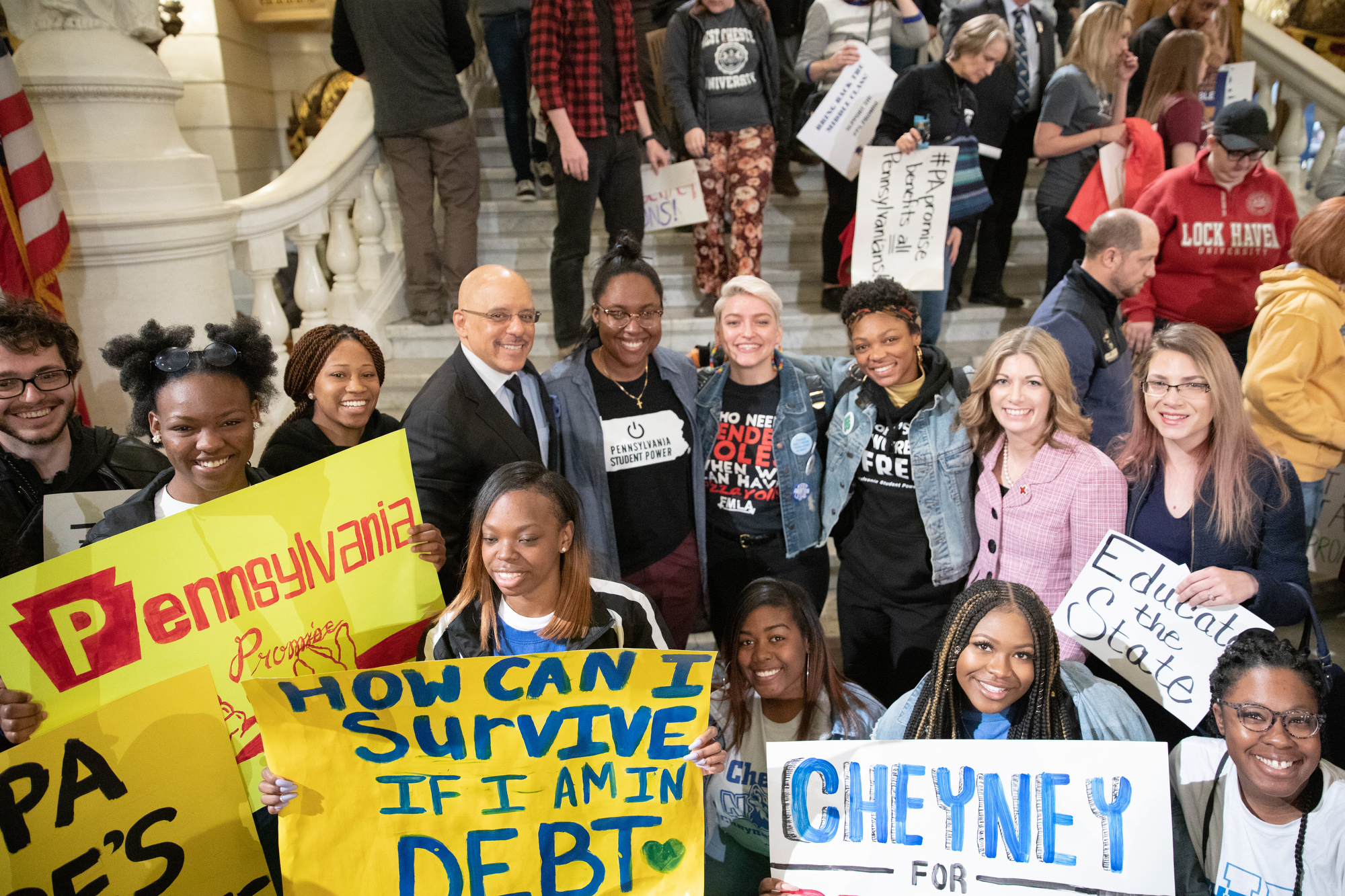
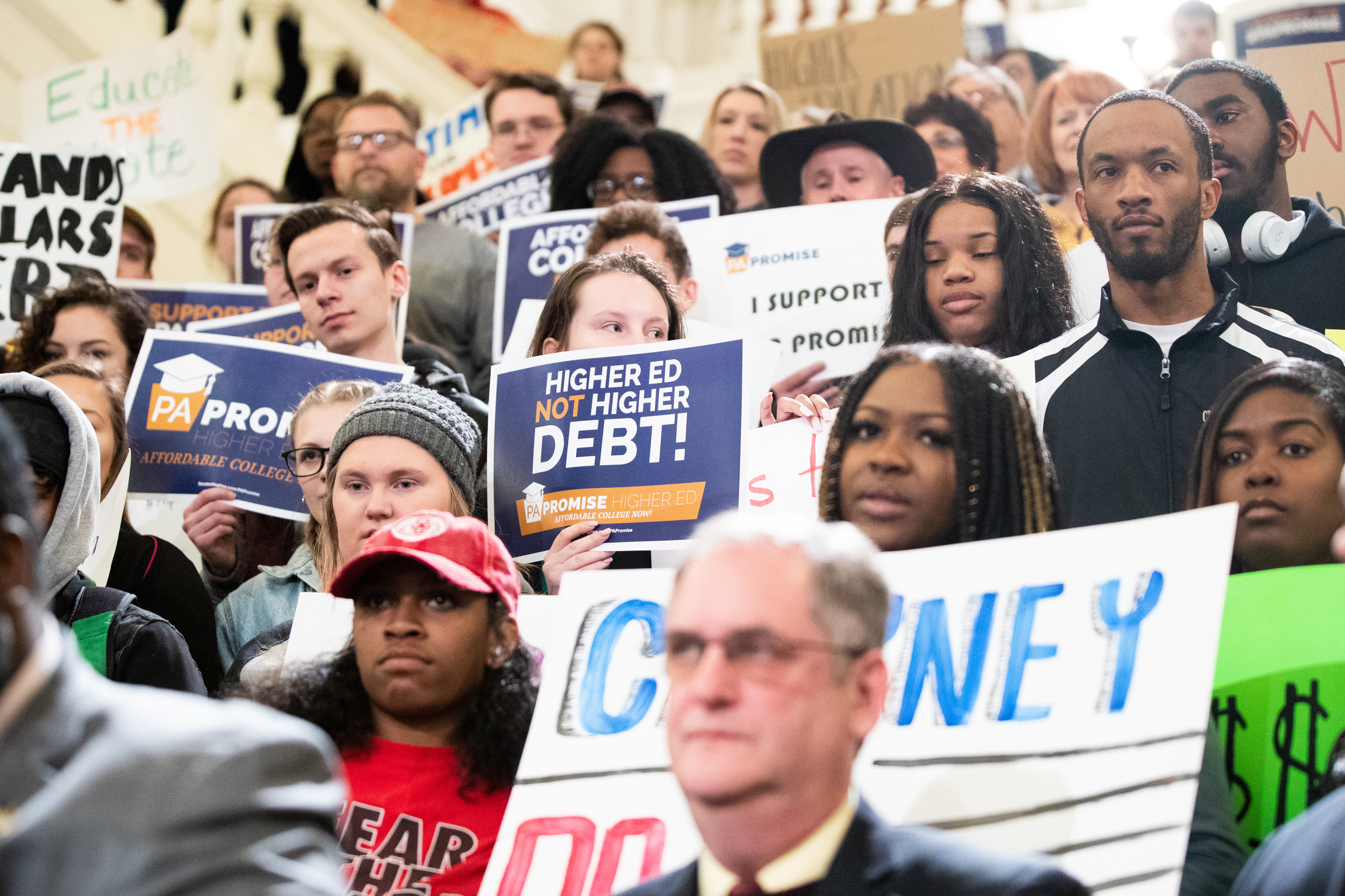
One of the most troubling challenges facing many students and families across Pennsylvania is the high cost of education. This is often such a high hurdle that many students simply forgo a college education and are prevented from acquiring the skills necessary to gain better positions with higher wages.
The education gap caused by a lack of access to college or advanced education is, for many low-and-middle income students, the one faction preventing them from gaining traction in the workplace. In our increasingly complex and high-tech economy, it is essential that we make, then fulfill, the promise to Pennsylvania students: YOU will have access to a high-quality education without the burdens of crippling debt.
That’s what the Pennsylvania Promise is all about. The Pennsylvania Promise is available to students with family incomes of $250,000 or less and who are attending a public institution of higher education in Pennsylvania. It provides a last-dollar scholarship that covers the remainder of a student’s tuition bill after all financial aid has been applied – guaranteeing a free college education for students and families.
Additional scholarships for room and board are available for students from families with incomes below $60,000.
The program also provides for scholarships for adult learners enrolled in an adult reeducation program and who have not previously earned a postsecondary credential.
Help us make the Pennsylvania Promise a promise fulfilled.
-
- Contact your legislators and tell them to support Pennsylvania Promise. (Click here to look up your elected officials.) Not sure what to say? Click here for sample messages.
- Spread the positive message about Pennsylvania Promise on Facebook, Twitter, and Instagram using #PApromise. You can even add a #PApromise overlay to your Facebook profile photo.
- Attend a Pennsylvania Promise rally.
- Organize your own rally or house party. Email info@PApromise.org to get started.
- Share your higher-education story. Click here to submit information.
Video
What Does Pennsylvania Promise Mean To Us
WITH,  OUR COMMONWEALTH COULD:

Cover two years of tuition and fees for any recent high school graduate enrolled full-time at one of the Commonwealth’s 14 public community colleges
Provide four years of tuition and fees not to exceed the State System tuition rate, depending on family income, for students accepted into a state-related university
Cover four years of tuition and fees for any recent high school graduate with a family income less than or equal to $110,000 per year accepted into one of the 14 universites in Pennsylvania’s State System of Higher Education
Finance the expansion of grant assistance to adults seeking in-demand skills and industry-recognized credentials, as well as college credit
Pennsylvania Promise
Latest News
Pennsylvanians deserve affordable higher education
Senator Hughes’ fervent push to address soaring college tuition costs and rising amounts of crippling student loan debt is kicking into high gear this week as he declares March 25-29 “Higher Education Affordability Week”. Senator Hughes remains motivated to address...
Senator Hughes declares “Higher Education Affordability Week” at Pa. Capitol
Harrisburg – March 25, 2019 – Renewing his commitment to addressing growing student debt and soaring college tuition costs, Senator Vincent Hughes (D-Philadelphia/Montgomery) will introduce a resolution declaring March 25-29 “Higher Education Affordability Week.” Sen....
Free college! Time for a New Deal for Pa. college students
Senator Hughes renewed his push for the Pennsylvania Promise initiative, a drive to bring free college to all Pennsylvanians, through Senate Bill 111 on Jan. 30. The PA Promise would also provide funding for those pursuing apprenticeships, trades and adult...
Sen. Hughes, Reps. Harris and Roebuck renew push for free college
Harrisburg — January 30, 2019 — Renewing their call for free college for all Pennsylvanians, Senator Vincent Hughes, (D-Philadelphia/Montgomery), Rep. Jordan Harris (D-Philadelphia), Rep. James Roebuck (D-Philadelphia) and APSCUF President Ken Mash announced the next...
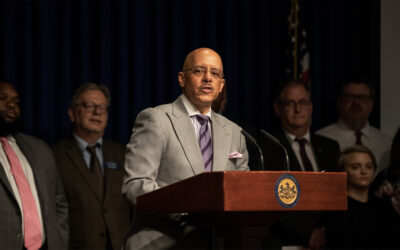
Senator Hughes, Representatives Roebuck and Harris Introduce Legislation Pushing for Free and Affordable College
HARRISBURG – June 6, 2018 – Senator Vincent J. Hughes (D-Philadelphia/Montgomery), Representative James Roebuck (D-Philadelphia), and Representative Jordan Harris (D-Philadelphia) introduced legislation for the Pennsylvania Promise initiative, a program that would...

Debt in America: An Interactive Map
Credit can be a lifeline during emergencies and a bridge to education and homeownership. But debt, which can stem from credit or unpaid bills, often burdens families and communities and exacerbates wealth inequality. This map shows the geography of debt in America at the national, state, and county levels. How does your community compare?

A Third of College Students Face Food and Housing Insecurity
TEEN VOGUE | BY ELLY BELLE | APRIL 5, 2018
Paying for college tuition and the textbooks and materials needed for classes can be hard enough. Whether you attend college part time or full time or go to community college or a university, it can be difficult to scrape together money for food and housing. Add on trying to maintain a social life and it can feel downright impossible. However, there hasn’t been much comprehensive data about just how much food insecurity, housing insecurity, and homelessness affect college students nationwide.
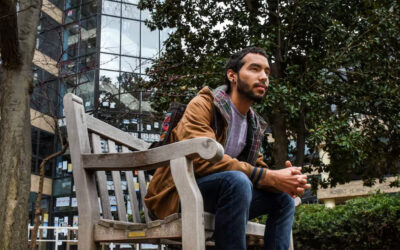
The Hidden Crisis on College Campuses: Many Students Don’t Have Enough to Eat
THE WASHINGTON POST | BY CAITLIN DEWEY | APRIL 3, 2018
Caleb Torres lost seven pounds his freshman year of college — and not because he didn’t like the food in the dining hall. A first-generation college student, barely covering tuition, Torres ran out of grocery money halfway through the year and began skipping meals as a result. He’d stretch a can of SpaghettiOs over an entire day. Or he’d scout George Washington University campus for events that promised free lunch or snacks. Torres told no one what he was going through, least of all his single mom.
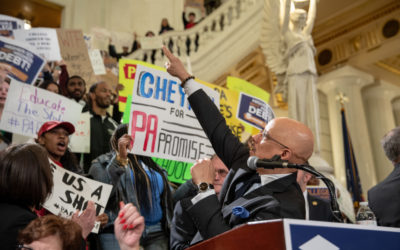
Senator Hughes Joins the Call for Affordable Higher Education For All Pennsylvania Students
Harrisburg, PA – January 23, 2018 – Senator Vincent Hughes spoke today in support of affordable higher education for Pennsylvanians. Standing with advocates and researches from the Association of State College & University Faculty, Keystone Research Center,...
Keeping the Promise
Legislation
Senate Bill 299
Senate Co-Sponsorship Memo 46598 Information; 2025-2026 Regular Session – PA State Senate
This legislation establishes a program to remove substantial financial burdens on students and their families and make college more affordable for students attending Pennsylvania’s community colleges, state system universities, and state-related institutions. Funding for the program will be determined through Pennsylvania’s budget process.
PA Promise will be administered by the Pennsylvania Higher Education Assistance Agency (PHEAA). Under this proposal, if a student has a total annual household income of $250,000 or less and is a full-time student attending one of the Commonwealth’s state-owned or state-related institutions, the student would be eligible for “last dollar assistance.” “Last dollar assistance” is provided only after all federal, state and institutional assistance is applied to the student’s account. PA Promise would cover the remaining costs after all federal and state assistance is applied. If a student is enrolled at one of the Commonwealth’s community colleges, the student would be eligible for assistance regardless of the student’s household income. For students whose family income is $60,000 or less, PA Promise would aid with costs associated with room and board.
Additionally, this legislation provides dedicated grants to adult learners who are seeking additional credentials, and it supports high-quality apprenticeships.
Why we need The Pennsylvania Promise
Pennsylvania ranks 40th in the nation for the share of adults with an education beyond high school
According to the Institute for College Access and Success, 70 percent of Pennsylvania students graduate with college debt
The per capita funding for higher education in Pennsylvania ranks 47th in the nation
Every student who is accepted to a school and has been reviewed for appropriate federal, state and institutional grants has an option to fund the “last dollars” and get that student into school
Low income graduates borrow at far higher rates (and higher amounts) than middle or upper income graduates
Research estimates that by 2020, 63 percent of new jobs in Pennsylvania will require some level of higher education. Currently only 40 percent of Pennsylvania residents have a higher education degree.
A 2013 Brookings Institute study showed that many high-achieving students from low-income families do not apply to some college or universities because of cost;
This proposal is in line with what New York, Tennessee and Oregon have done and can reduce debt for Pennsylvania students.
A 2015 study found that increased college costs reduce minority enrollment. A $1,000 tuition and fee increase would reduce minority enrollment by more than 2.5 percent
In 2008, students and families paid approximately 36 percent of the cost of public college, by 2014 they paid approximately 50 percent.
Gallery