
Introduction
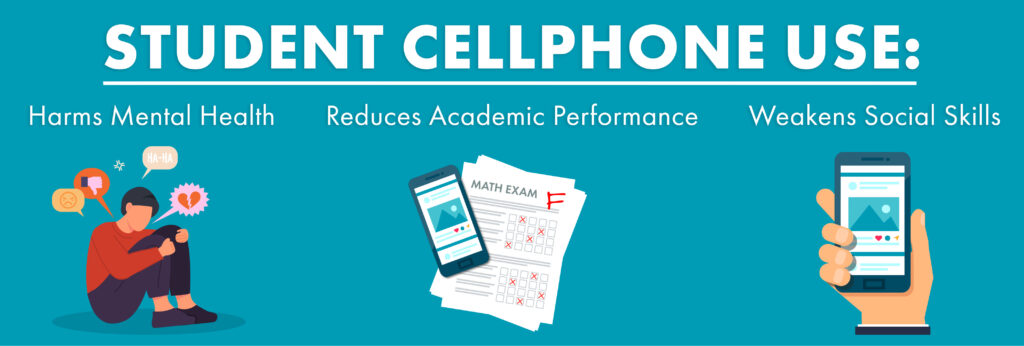
There has been a steep decline in mental health in children since the early 2010s. Kids are more depressed, anxious, and lonely than ever before. Their academic performance is suffering. There are more instances of cyberbullying and other behavioral issues during school hours. Teachers, parents, and students are exhausted physically, emotionally, and mentally.
This decline in our children’s mental health, social skills, and academic performance directly correlates to the rise of smartphones and social media apps. Many parents and teachers alike see the devastating impact these devices are having on our children and are asking for help. About two thirds of Americans say all-day cellphone bans during school hours would improve students’ social skills, grades, and behavior in class.
Our students deserve the opportunity to learn without a constant distraction in their pockets, and our bipartisan legislation will give them that opportunity.
Summary
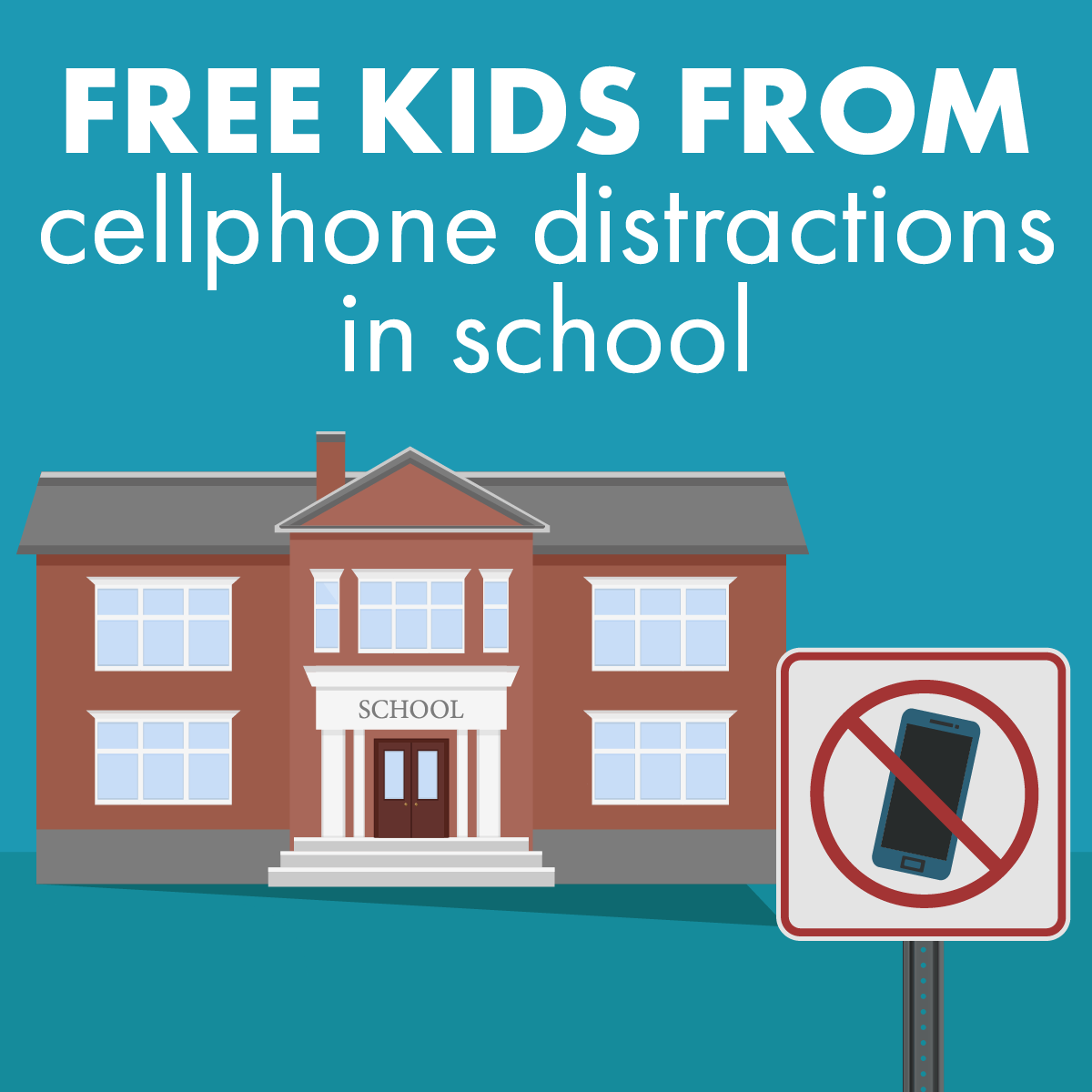
To address a root cause of the mental health and academic decline experienced by Pennsylvania students, we have introduced Senate Bill 1014 to require schools to adopt and implement a policy that prohibits the use of phones during the school day. Exceptions would be made for:
-
- Students with medical conditions,
- Students with individualized education plans that require the use of a personal communication device,
- English as a second language learners who use cellphones for translation purposes, and
- Very limited instances for teachers who want to use cellphones as instructional tools with approval by the school principal.
If enacted, Pennsylvania would join 27 states in restricting these devices including New York, Virginia, and Florida, 18 of which have bell-to-bell bans.
Research
Smartphone and social media use among teens is near universal and frequent.
Data shows teens receive an average of 237 notifications on their phone a day. We know phones are not only a distraction for the owner of the phone, but the entire class is disrupted by the constant ringing, buzzing, and checking of these devices. This not only results in learning loss for students, but it creates a frustrating environment for educators who try to maintain focus and order in the classroom.
Between 2010-2015, the percent of U.S. teens with smart phones rose from 23% to 73%, with a quarter admitting to being online “almost constantly”. Now, teens spend an average of nearly 8 hours on screens per day, the equivalent of a full-time job.
Smartphone and social media use contributes to poor mental health, physical health, and academic outcomes in teens.
- 45% of teens reported feeling overwhelmed by the drama on social media and 26% reported feeling worse about their own lives (Pew Research Center, 2018).
- Nearly half of U.S. teens aged 13-17 reported experiencing cyberbullying at least once (Pew Research, 2022).
- There has been a steep decline in mental health in children since the early 2010s:
- Rates of depression among teens increased around 150% (American Psychological Association, 2018)
- Suicide rate for kids ages 10-14 tripled between 2007 and 2021 (Centers for Disease Control, 2023).
- Suicide rate for girls ages 10-14 rose 131% from 2010 to 2019 (Centers for Disease Control, 2023).
Sleep patterns also changed during that time, with more and more teens reporting less sleep and studies showing that access to and use of mobile devices before bed were significantly associated with inadequate sleep quantity, poor sleep quality, and excessive daytime sleepiness.
In 2012, math and reading scores dropped for the first time in 25 years, beginning a downward trend that continues today.
In addition to the emotional, physical, and academic toll that excessive smartphone and social media use has on our children, behavioral issues have also increased in the form of cyberbullying and costly pranks.
The addictive qualities of smartphones and social media apps have an even worse impact on young children.
A new study published in the Journal of Human Development and Capabilities found that children who receive smartphones before the age of 13 were significantly more likely to experience serious mental health problems in early adulthood including aggression, emotional instability, and suicidal thoughts.
Yet the average age for a child to have a smartphone in Pennsylvania is reportedly 10.5, a number that seems to get younger every year.
Parents and teachers are worried and want change.
74% of U.S. adults say they would support banning middle and high school students from using cellphones during class, up from 68% last fall (Pew Research Center, 2025).
72% of US high school teachers say cellphone distraction is a major problem in the classroom (Pew Research Center, 2024).
90% of teachers support prohibiting the use of phones during instructional time (National Education Association poll from 2024).
75% of teachers support a bell-to-bell ban, which prohibits the use of cellphones from the first bell of the school day until the last bell of the school day (National Education Association poll from 2024).
Cellphone restrictions during school hours free kids from the constant distractions, and can even improve their social interactions, academic performance, and mental health.
Studies show cellphone restrictions in school have a positive impact on academic performance, and many students say restrictions have improved their mental health.
Anecdotally, schools across Pennsylvania that have already moved to enact restrictions on cellphones during school hours report that students are interacting more during free time and paying closer attention in class once the distraction of the cellphones are removed.
Learn more about the risks of childhood smartphone use from local advocacy group PA Unplugged.
News
Robinson, Hughes, Santarsiero Bill to Implement a Bell-to-Bell Ban on Student Cellphone Use During School Day Passes Senate
HARRISBURG – February 4, 2026 − The Pennsylvania Senate today passed legislation sponsored by Sens. Devlin Robinson (R-37), Vincent Hughes (D-7), and Steve Santarsiero (D-10) to require public schools across the commonwealth to adopt policies prohibiting student...
Senator Hughes’ Bell-to-Bell Cell Phone Bill Moves Forward in the Senate
December 12, 2025 – Harrisburg, PA –This week, Senate Bill 1014, bipartisan legislation prime-sponsored by Senators Vincent Hughes, Steve Santarsiero, and Devlin Robinson, passed the Pennsylvania Senate Education Committee with a unanimous vote. The legislation would...
Bipartisan Bill to Prohibit Student Cellphone Use During School Day Passes Senate Education Committee
HARRISBURG – The Pennsylvania Senate Education Committee advanced bipartisan legislation sponsored by Sens. Vince Hughes (D-7), Steve Santarsiero (D-10), and Devlin Robinson (R-37) to require public schools across the commonwealth to adopt policies...

Devlin Robinson, Vincent J. Hughes and Steve Santarsiero: Kids don’t need their cell phones in school
When the effort to restrict student cellphone use in schools first began two years ago, it was met with skepticism. Some thought it was unrealistic. Others worried it would create new enforcement headaches for teachers or intrude on parents’ ability to reach their...

Committee Advances Bipartisan Measure to Study the Impact of Artificial Intelligence on Pennsylvania’s Workforce
HARRISBURG – The Senate Labor and Industry Committee approved bipartisan legislation sponsored by Sens. Vincent Hughes (D-Philadelphia and Montgomery) and Kristin Phillips-Hill (R-York) to study how artificial intelligence (AI) is reshaping Pennsylvania’s workforce...
Support
Sign the Petition!
If you support my effort to limit student cellphone use during school hours in Pennsylvania, please consider signing your name to my petition. Together, we can get our kids back on track.